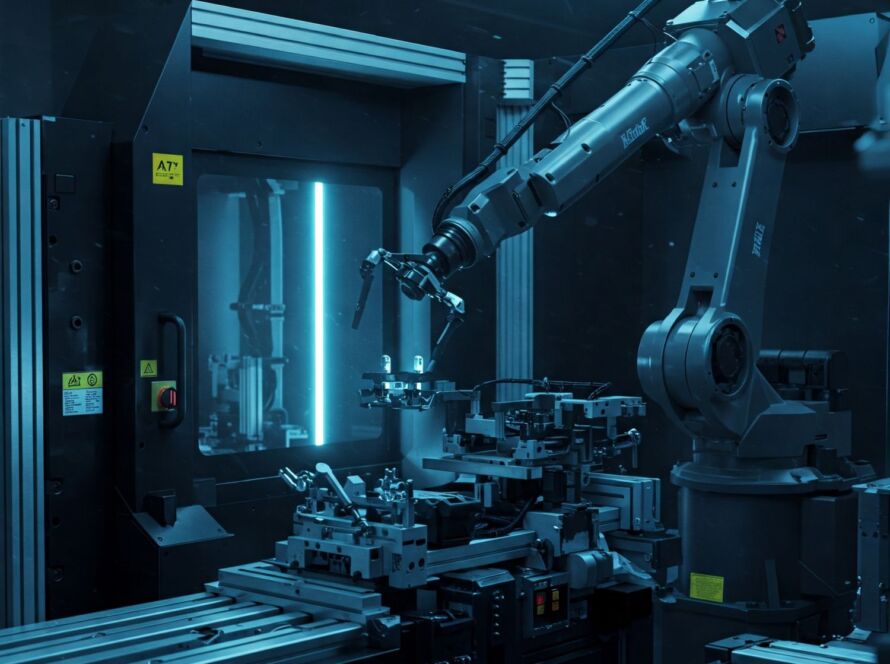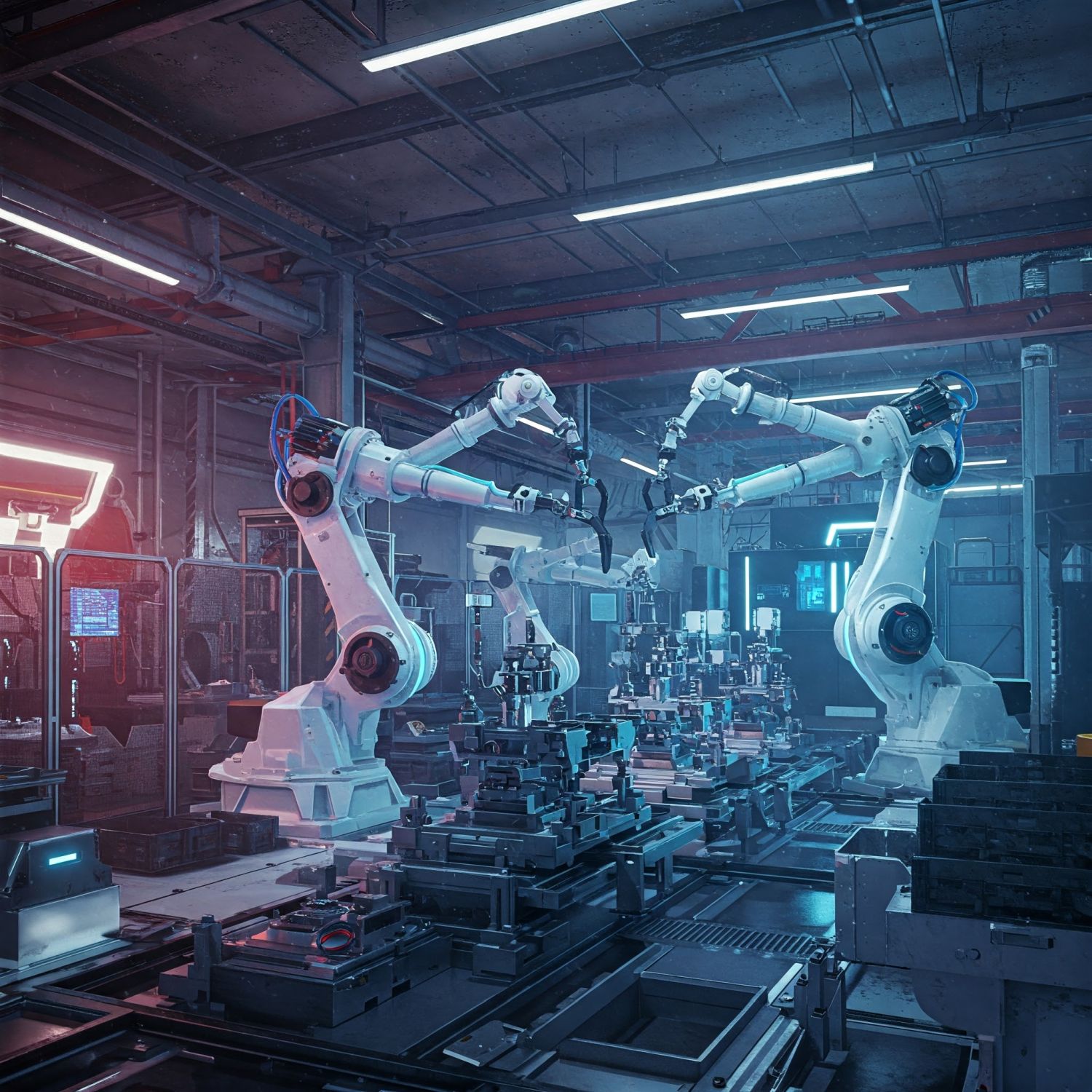
Industrial robotics has come a long way since its early days, and today, it plays a crucial role in driving manufacturing efficiency and productivity. From automotive assembly lines to electronics manufacturing, industrial robots are used to perform a wide range of tasks, including welding, painting, material handling, and assembly.
One of the key advantages of industrial robotics is their ability to perform tasks with high precision and accuracy, which can help to reduce errors and improve product quality. Additionally, robots can work tirelessly without breaks, which can help to increase production output and reduce labor costs.
As technology continues to advance, industrial robots are becoming increasingly sophisticated, with new capabilities such as machine learning and artificial intelligence. This is enabling them to perform more complex tasks and adapt to changing conditions, making them even more valuable to manufacturers.

Author: GoSeekIt
We're dedicated to connecting manufacturing and robotics businesses with the resources and partners they need to thrive.